Hormone-like Substances in Cosmetics
Hormone-like substances have been spooking through the media for years and with good reason: They are suspected to have harmful effects on the body and cause disease. As studies have repeatedly shown, many personal care and cosmetic products still contain these chemicals.
They are contained in shampoos, deodorants and lipsticks. If these substances enter the body, they act like hormones i.e. endocrine active substances. In animal experiments, it was found that these chemicals may cause behavioral abnormalities, infertility or even cancer.
These substances can affect the body in different ways. Sometimes they bind in areas that are actually reserved for the body's hormones. This makes them act the same way as endogenous substances. They can also lead to a blockage of the hormone binding sites in the body, or interfere with hormone degradation, production or transportation.
Basically, not every hormonal active substance is dangerous. People are exposed to a variety of endocrine disruptors in their diet and other sources. Often these occur naturally in certain plants, such as soybean. As such, the European Food Safety Authority suggests a differentiating assessment on its website. Whether a substance is dangerous depends on its ability to disrupt the hormone balance in the body. The risk that an endocrine disruptor can exert a harmful effect depends on the dosage, the duration and the time of contact.
In 2012, the World Health Organization called endocrine disruptors a "global threat" in a report that was conducted. For decades they observed an increase in health problems associated with the hormone system, for example, an increase in prostate, testis, thyroid and breast cancers. The fact that hormone-like substances are responsible for these illnesses virtually cannot be proven because the body comes into contact with a variety of other substances.
What can we do?
Endocrine active substances are present in so many different fabrics that it is almost impossible not to be exposed to them. However, one can try to minimize exposure by being attentive. Natural cosmetics, for example, usually does not contain these substances. Natural cosmetics is dedicated to underlining potentially hazardous substances and removing these from the list of ingredients for humans.
Today there are many different standards for quality natural cosmetics. The reason being that there are no legal and uniform guidelines. Certificates with clear quality guidelines for consumers are a great reference point. Details about the certificates listed on our website can be found here.
Latest reviews
-
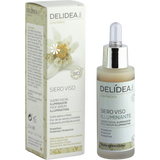
4.2 (68)Delidea Edelweiss & Blackcurrant Illuminating Face Serum, 30 ml
- Fights pigmentation spots
- Absorbs quickly
- Suitable for face & hands
€ 15,49 (€ 516,33 / l)Delivery by October 19
-
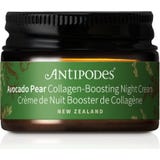
4.4 (436)Antipodes Avocado Pear Collagen-Boosting Night Cream, 15 ml
- Ideal for mature & dry skin
- Intensive hydration
- Rich in antioxidants
€ 14,39 (€ 959,33 / l)Delivery by October 19
-
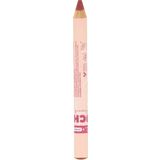
4.1 (7)JCH Respect Lipstick, 20 Framboise (3 g)
- 20 Framboise
- 10 Nude
- Semi-matte finish
- Creamy texture
- Easy to apply
€ 4,09 (€ 1.363,33 / kg)Delivery by October 19
-
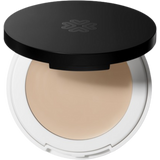
4.2 (20)Lily Lolo Cream Concealer, Voile (5 g)
- Voile
- Aria
- Chantilly
- Chiffon
- Matelassé
- +1
- For normal & dry skin
- Conceals redness & imperfections
- Moisturises
€ 17,99 (€ 3.598,00 / kg)Delivery by October 19
Magazine Articles:
-
Ireland: Free standard delivery from € 64,90
-
Free
returns -
Get at least 1 free sample
per order More than 19.050 products